
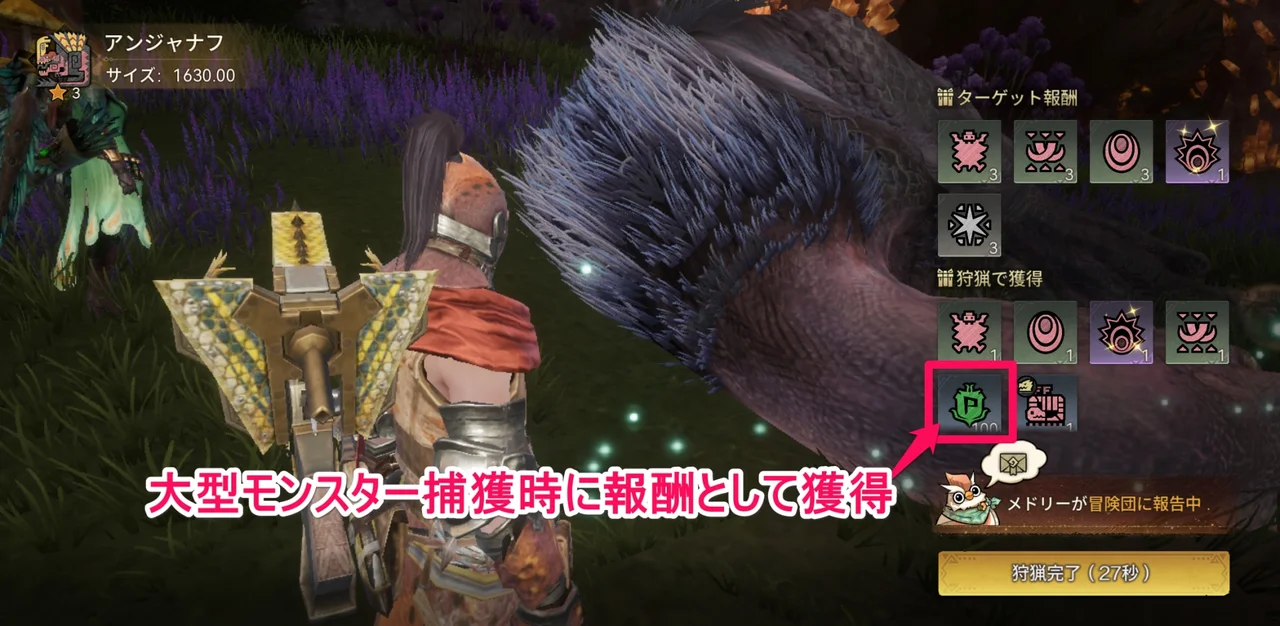
Research Points come from capturing large monsters (100 each) and Endemic Life (20 each), from Research Points Melding, and from request rewards. Captures and Melding share one weekly cap, and Melding works up to what is left of it that week.
How to Get Research Points
You get Research Points by capturing large monsters, capturing Endemic Life, using Research Points Melding and clearing requests.
Research Points by source
| Item | Details |
|---|---|
| Capture a large monster | 100 per capture |
| Capture Endemic Life | 20 per capture |
| Research Points Melding | Depends on the materials you meld |
| Request rewards | Depends on the request |
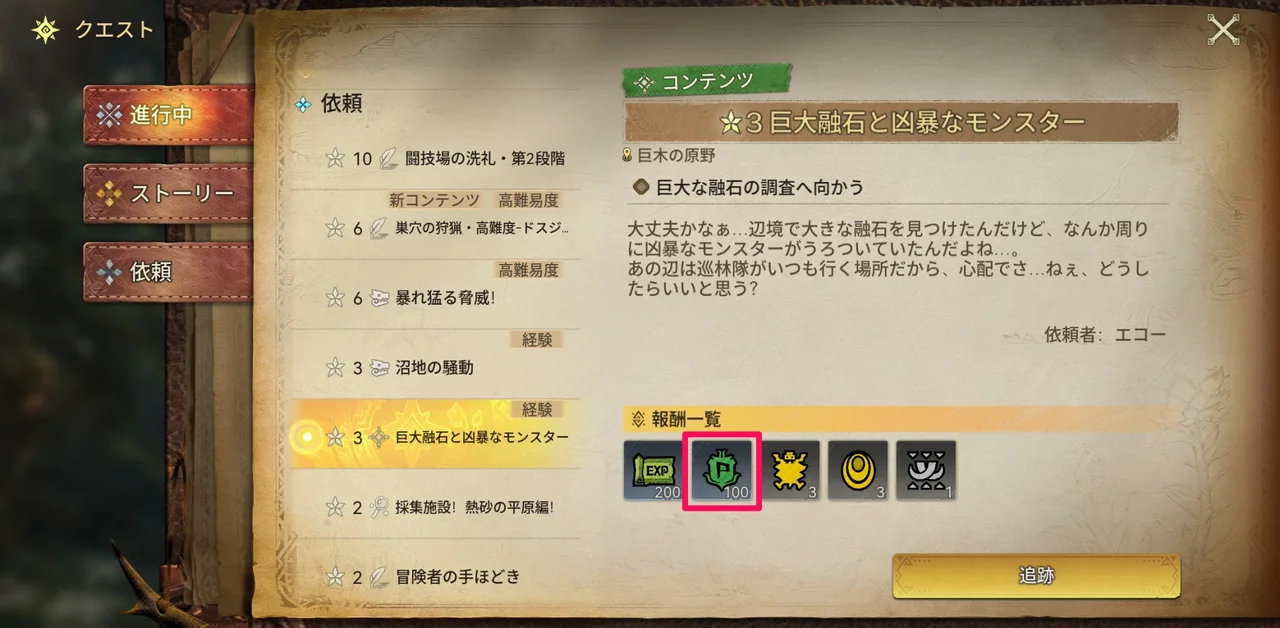
Some requests give Research Points as a reward. For example, Giant Radiantite and Frenzied Beasts gives 100 Research Points and 200 EXP.
Weekly Cap on Research Points
Research Points have a weekly cap. Large monster captures, Endemic Life captures and Research Points Melding all count toward the same cap. Raising your Ecological Rank raises the cap.
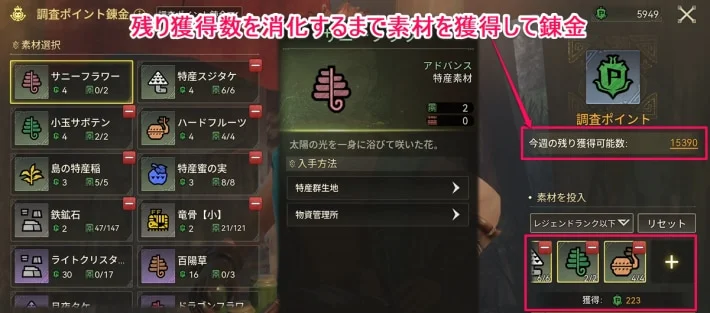
Research Points Melding turns items you do not need into Research Points, up to the amount left for the week. The Melding screen shows how much you can still get this week.
Research Points from request rewards do not count toward the weekly cap. Clear those requests whenever it suits you.
Capturing Monsters and Endemic Life
Use a Tranq Launcher on a weakened large monster to capture it. Elder Dragons and Radiant monsters cannot be captured, and some quest types do not allow captures at all.
A capture gives you the materials automatically, but not the Visage. Walk up to the monster and draw the Visage yourself, the same way you would carve it.

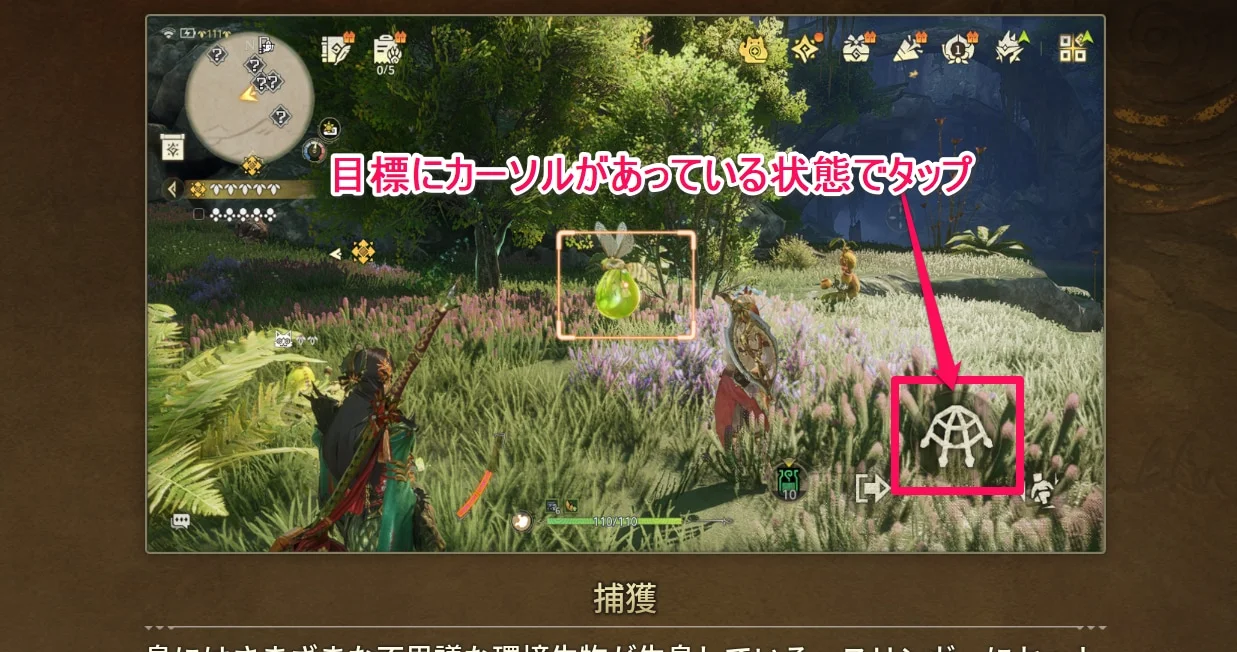
To capture Endemic Life, get close and ready the net with your Slinger, then hit the creature before it notices you.
How to Fill the Weekly Cap
Captures happen along the way while you hunt, so fill the rest of the weekly cap with Research Points Melding. Gather materials in the field every day and send your spare materials to Melding.
Place Gatherers on Resource Areas
Resource Areas give large amounts of materials at once. A Gatherer built with crafting collects materials there without you going back.
Collect from your Gatherers remotely
Collect what your Gatherers have stored from the pouch or from facility management on the map. You do not have to travel to them.
When you pass a Resource Area, place one Gatherer there, up to your placement limit. Pick a spot where the daily yield estimate is rated very high.
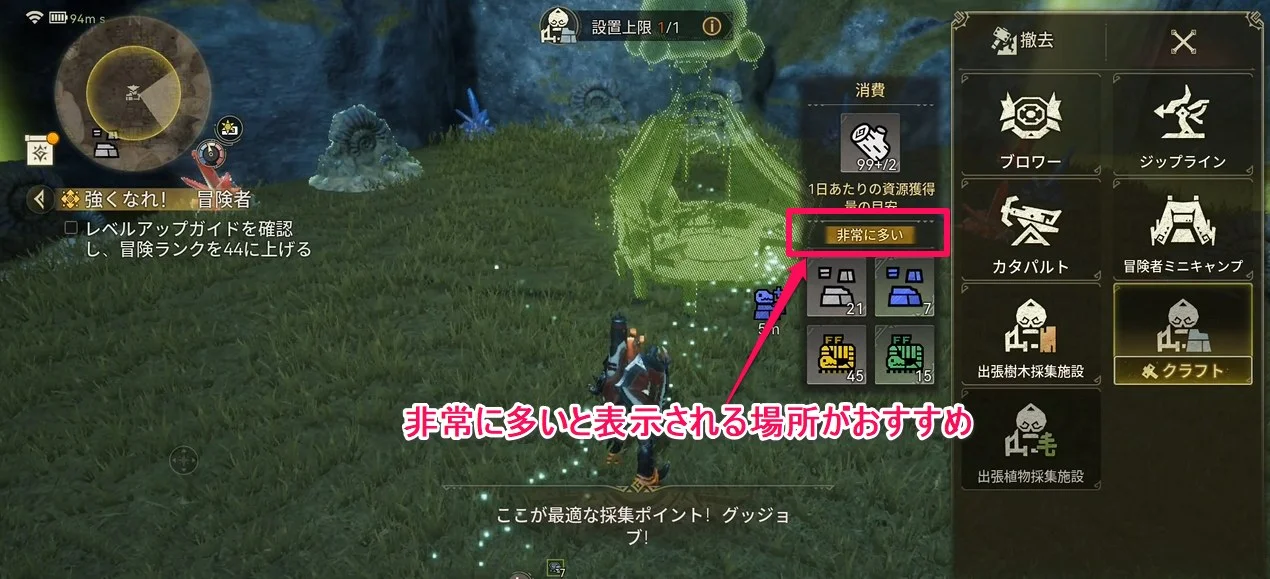
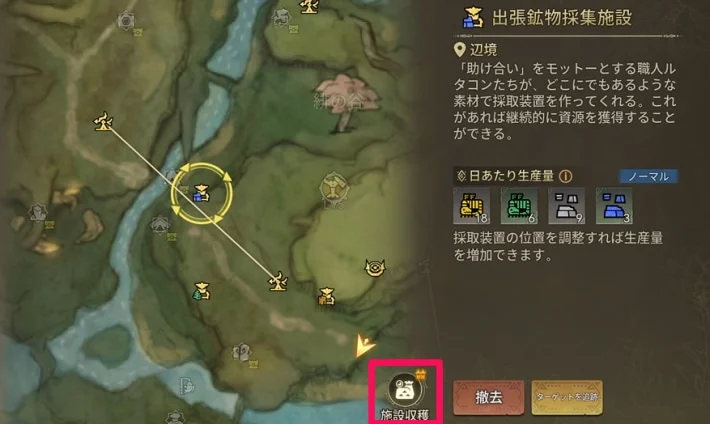
If Resource Areas and Gatherers are not enough, gather in the field between hunts, while you progress quests or collect materials. Capture Endemic Life on the way too: each capture gives 20 points, which cuts the number of materials you need to meld.
What to Spend Research Points On
Research Points are spent at the Research Points Shop, on Canteen meals, on item crafting and on changing conditions on the map.
Where Research Points go
| Item | Details |
|---|---|
| Research Points Shop | Style Crates and Gifts, plus materials for upgrades, items and monster materials each week. Healing items and materials have weekly limits. |
| Canteen | Ordering a meal costs Research Points, and the cost differs by meal. Once your Proof of Mastery reaches Seasoned Explorer I, your first Dine In meal each day is 50% off. |
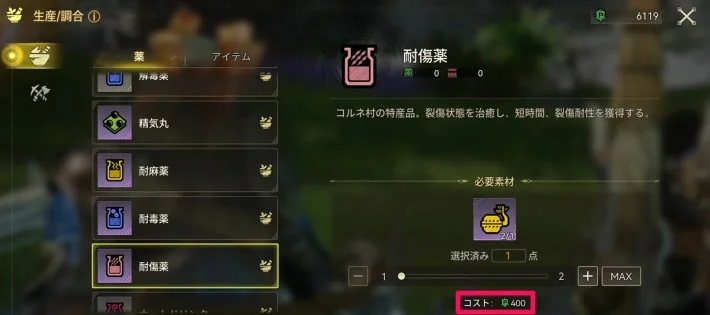
| Item crafting | Some items cost Research Points to craft, such as the Vitality Pill and items that grant status resistance. |
| Map conditions | On the map, you can change an area's temperature, weather and time of day for 200 Research Points. |
If you need meals or crafted items soon, keep enough points for them before you shop. When you have points to spare, spend them on Style Crates and Gifts.
You do not have to craft these items, but they include strong ones. For example, crafting 1 Anti-Bleeding Potion costs 400 Research Points.
Related Guides
Ecological Rank / Base Facilities Guide / Gathering / Zenny Farming / Research Point / Food & Meals
The screenshots are from the Japanese version of the game.